The Tradition of
Child-Centered
Fantasy
Fantasy literature has long returned to a simple and powerful idea:
the world looks different when seen through the eyes of a child.
Long before the term middle grade fantasy existed, writers discovered that childhood offered a unique narrative perspective. Children stand close to the threshold between the familiar and the unknown. They are still willing to question the ordinary rules of reality, to notice small irregularities, and to follow curiosity wherever it leads.
Because of this, many of the most enduring works of fantasy place a child at the center of the story.
One of the earliest and most influential examples appears in Alice’s Adventures in Wonderland (1865), where curiosity itself drives the narrative. Alice’s simple act of following a rabbit transforms the ordinary world into a surreal landscape shaped by imagination and dream logic.
A generation later, The Wonderful Wizard of Oz (1900) offered another defining moment for the tradition. Dorothy is not a warrior or a chosen hero; she is simply a girl carried by circumstance into an unfamiliar land. Her journey is guided not by prophecy but by courage, friendship, and determination.
In Peter Pan (1911), J. M. Barrie explored a different aspect of childhood fantasy: the desire to remain forever in a world where imagination never fades. Neverland exists not as a distant kingdom but as an extension of childhood itself.
Later works expanded the scope of the tradition while preserving its core perspective. In The Chronicles of Narnia, children step through a wardrobe into a hidden world where their courage and moral choices shape the fate of entire kingdoms. In The Neverending Story, the act of reading itself becomes the gateway through which a child enters and sustains a magical universe.
Despite their differences, these stories share a common foundation.
They don’t begin with grand destinies.
They begin with curiosity.
The magical world does not appear because a hero seeks power or conquest. It appears because a child notices something unusual and chooses to explore it.
This perspective is one of the reasons childhood fantasy continues to resonate across generations. Through the eyes of young characters, readers rediscover a sense of wonder that adulthood often teaches them to ignore.
Stories built around this tradition often follow a similar emotional rhythm. A quiet moment of curiosity opens the door to something unexpected. Exploration reveals both beauty and danger. And through that journey, the child protagonist discovers courage, responsibility, and a deeper understanding of the world.
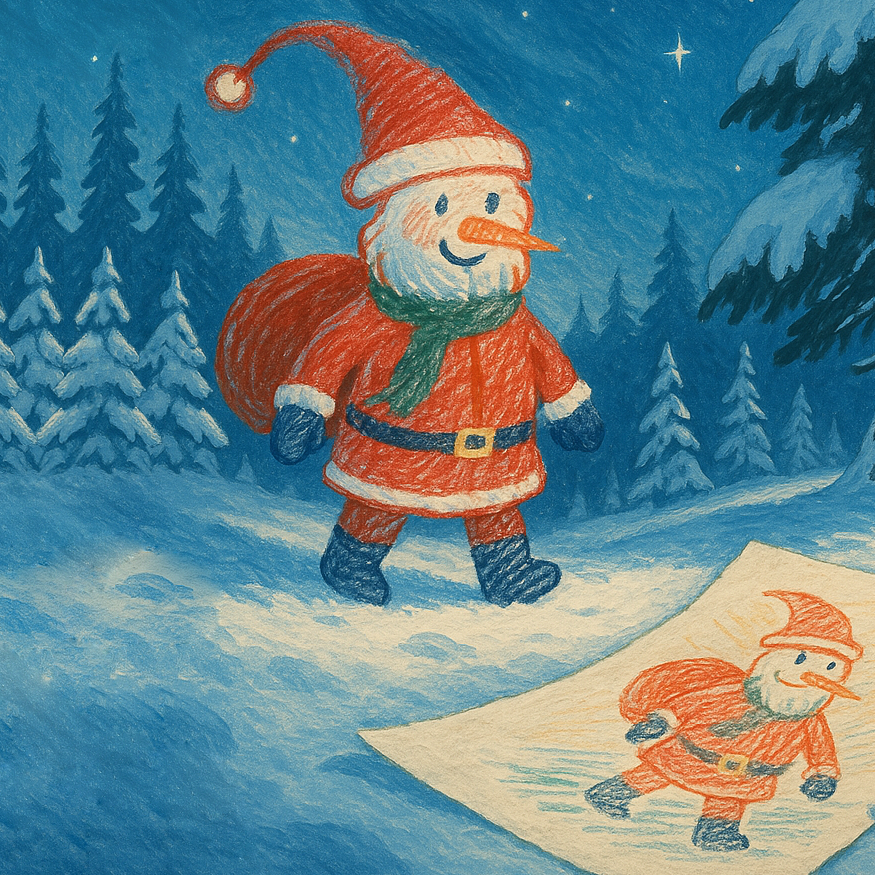
These ideas remain central to modern works of childhood fantasy. In Fantastical Nature: A Family Tale with Complications, the story begins with an act of imagination: a child’s drawing. What seems at first like a simple creative moment gradually awakens something far older and stranger than the family expects, transforming an ordinary home into the threshold of a much larger mystery.
Like many stories in this tradition, the magic does not arrive through spectacle or conquest. It appears quietly, through curiosity and creativity, and slowly reshapes how the characters understand the world around them.
Taken together, these works form a long and evolving literary lineage. They remind readers that fantasy does not always begin in distant kingdoms or ancient battlefields. Sometimes it begins in a child’s bedroom, a quiet garden, or a simple act of imagination.
*
Explore Fantastical Childhood
Within this broader landscape of storytelling lies the imaginative territory known as Fantastical Childhood, where wonder, curiosity, and imagination transform the ordinary world into something extraordinary. Essays such as What Makes Middle Grade Fantasy Magical and Childhood Imagination: The Doorway to Hidden Worlds examine different aspects of this tradition, while modern stories like Fantastical Nature continue to carry its spirit forward.